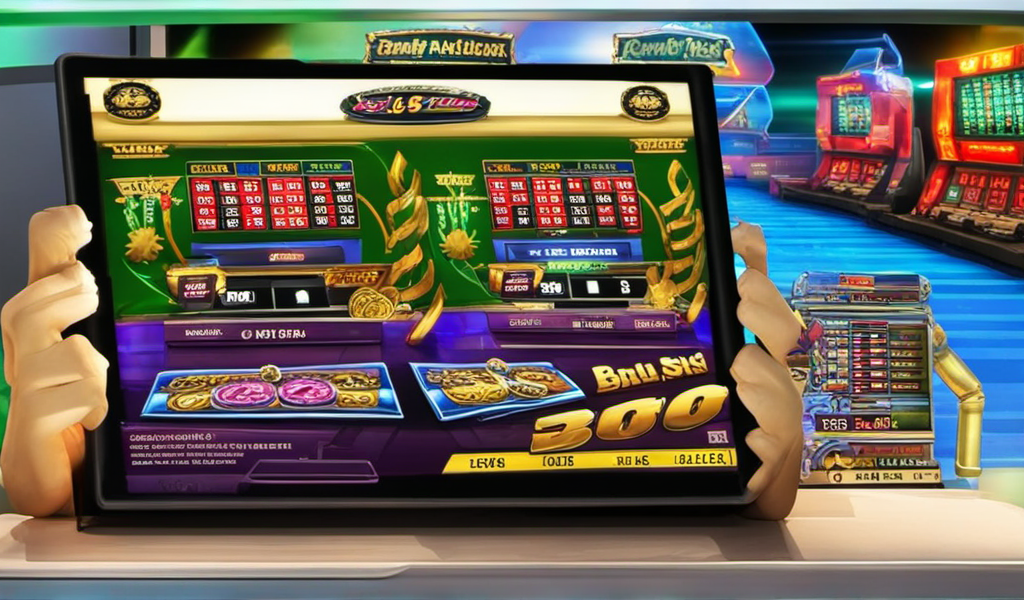
Slot games have become a staple in the world of online gaming, offering an immersive experience that combines luck with strategy. However, behind every successful slot game lies a well-designed feedback loop – a crucial element that keeps players engaged and coming back for more.
What are Feedback Loops?
A feedback loop is a mechanism that provides players with instant gratification or rewards for their actions. In the context of slot games, it’s a system that responds to player input, offering immediate feedback in the form of wins, bonuses, or other incentives.
Types of Feedback Loops
There are several types of feedback loops used in slot game design:
- Immediate Rewards**: Instant payouts for landing specific combinations or achieving certain milestones.
- Bonus Rounds**: Special features that activate when players land specific symbols or complete challenges.
- Progressive Jackpots**: Growing jackpots that increase with each bet, offering a life-changing win for lucky players.
The Psychology Behind Feedback Loops
Feedback loops tap into the psychological aspects of gaming, leveraging the brain’s reward system to keep players engaged. By providing instant gratification, slot games stimulate the release of dopamine, a neurotransmitter associated with pleasure and motivation.
This phenomenon is known as variable ratio reinforcement, where players are rewarded unpredictably but consistently, keeping them invested in the game. The more frequent and substantial the rewards, the stronger the player’s attachment to the game.
Designing Effective Feedback Loops
To create engaging feedback loops, designers must strike a balance between reward frequency and magnitude. A well-designed loop should:
- Provide consistent rewards**: Regularly award players for their actions, maintaining a sense of anticipation.
- Vary the rewards**: Mix up the types and amounts of rewards to keep players engaged and interested.
- Gradually increase difficulty**: As players progress, introduce more challenging tasks or higher stakes to maintain engagement.
The Impact on Player Engagement and Retention
A well-designed feedback loop can significantly impact player engagement and retention:
- Increased playtime**: Players are more likely to continue playing, as they’re motivated by the prospect of rewards.
- Improved user experience**: Feedback loops create a sense of accomplishment, making players feel invested in the game.
- Enhanced player loyalty**: Regular rewards foster a connection between the player and the game, leading to increased loyalty.
The Role of Feedback Loops in Player Retention
Feedback loops play a crucial role in retaining players. By providing regular rewards and challenges, games can keep players engaged and motivated to continue playing. This is particularly important for slot games, where the goal is to keep players spinning the reels for as long as possible.
Case Study: A Successful Feedback Loop Design
Let’s take a look at an example of a well-designed feedback loop in action. Imagine a popular online slot game that offers:
- Immediate Rewards**: Players earn instant payouts for landing specific combinations or achieving certain milestones.
- Bonus Rounds**: Special features activate when players land specific symbols or complete challenges, offering additional rewards and excitement.
- Progressive Jackpots**: A growing jackpot that increases with each bet, providing a life-changing win for lucky players.
This game’s feedback loop is designed to provide consistent rewards, vary the types and amounts of rewards, and gradually increase difficulty as players progress. The result is an engaging experience that keeps players coming back for more.
The Future of Feedback Loops in Slot Game Design
As the iGaming industry continues to evolve, it’s clear that feedback loops will play a crucial role in shaping the future of slot game design. By incorporating well-designed feedback mechanisms, developers can create engaging experiences that captivate players and keep them coming back for more.
Conclusion
The role of feedback loops in slot game design is undeniable. By understanding the psychology behind these mechanisms and designing effective feedback loops, developers can unlock player engagement and retention. As the industry continues to grow, it’s essential to prioritize the development of well-designed feedback loops that provide players with an immersive experience.